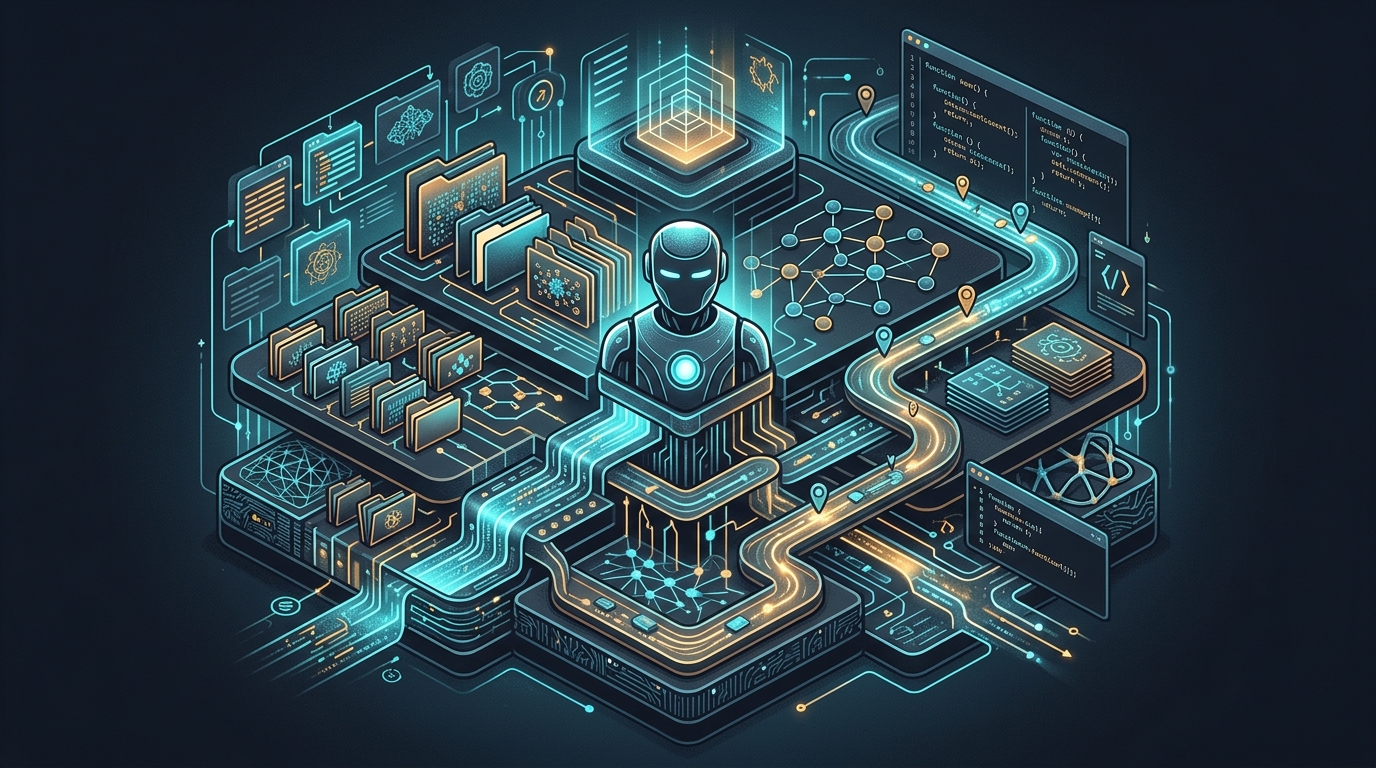
Agent Memory Systems in 2026: What Actually Matters
Agent memory is no longer one feature. It has split into several design camps: raw recall, profile memory, context filesystems, reflective memory, coding-agent memory, and enterprise context APIs. This guide maps the trade-offs, the real architectures, and the hype gap.

Quantum Codebreaking Just Got Closer, What It Means for Crypto Wallets and Mining
A new Google Quantum AI paper, plus a closely watched neutral-atom estimate discussed by Justin Drake, has shifted the crypto security conversation from vague quantum doom to concrete attack windows, qubit counts, and wallet exposure models.

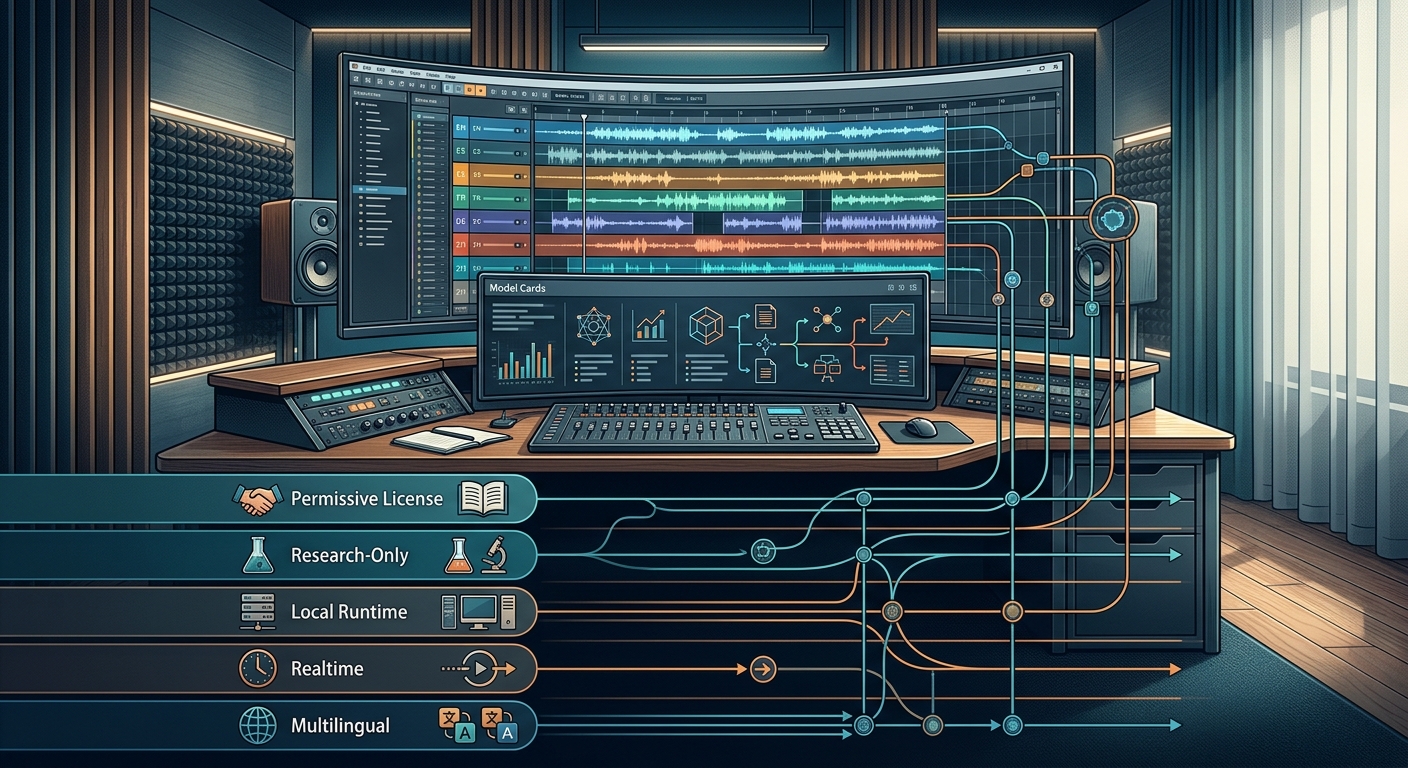
The Best Open-Source Alternatives to ElevenLabs for TTS and Voice Cloning in 2026
Open-source TTS has gotten dramatically better, but replacing ElevenLabs is still not one simple yes-or-no question. The real answer depends on whether you care most about cloning quality, commercial licensing, multilingual support, low latency, or tiny local deployment.

AI Agents in Financial Services: Where They Actually Work in 2026
AI agents are starting to become useful in financial services, but not in the hypey fully autonomous sense. The real wins are in tightly scoped workflows like onboarding, claims intake, compliance review, collections support, and internal operations, where human oversight, audit trails, and system boundaries are explicit.

Agent-First Tools Are Becoming a Real Software Category
Agent-first tools are starting to look like a real software category. The common pattern is simple: products rebuilt around autonomous software users instead of humans. Email, phone numbers, browsers, memory, payments, APIs, and trust layers are all being redesigned around machine operators.

The Best Self-Hosted Discord Alternatives in 2026
If you鈥檙e looking for a Discord alternative you can self-host, the answer depends on what you actually need: voice chat, persistent text, moderation controls, forum-style organization, or a UI that feels familiar enough to migrate a community without drama. Here鈥檚 the real landscape in 2026.

The Agentic World, Updated: What鈥檚 Actually Better Than OpenClaw Now?
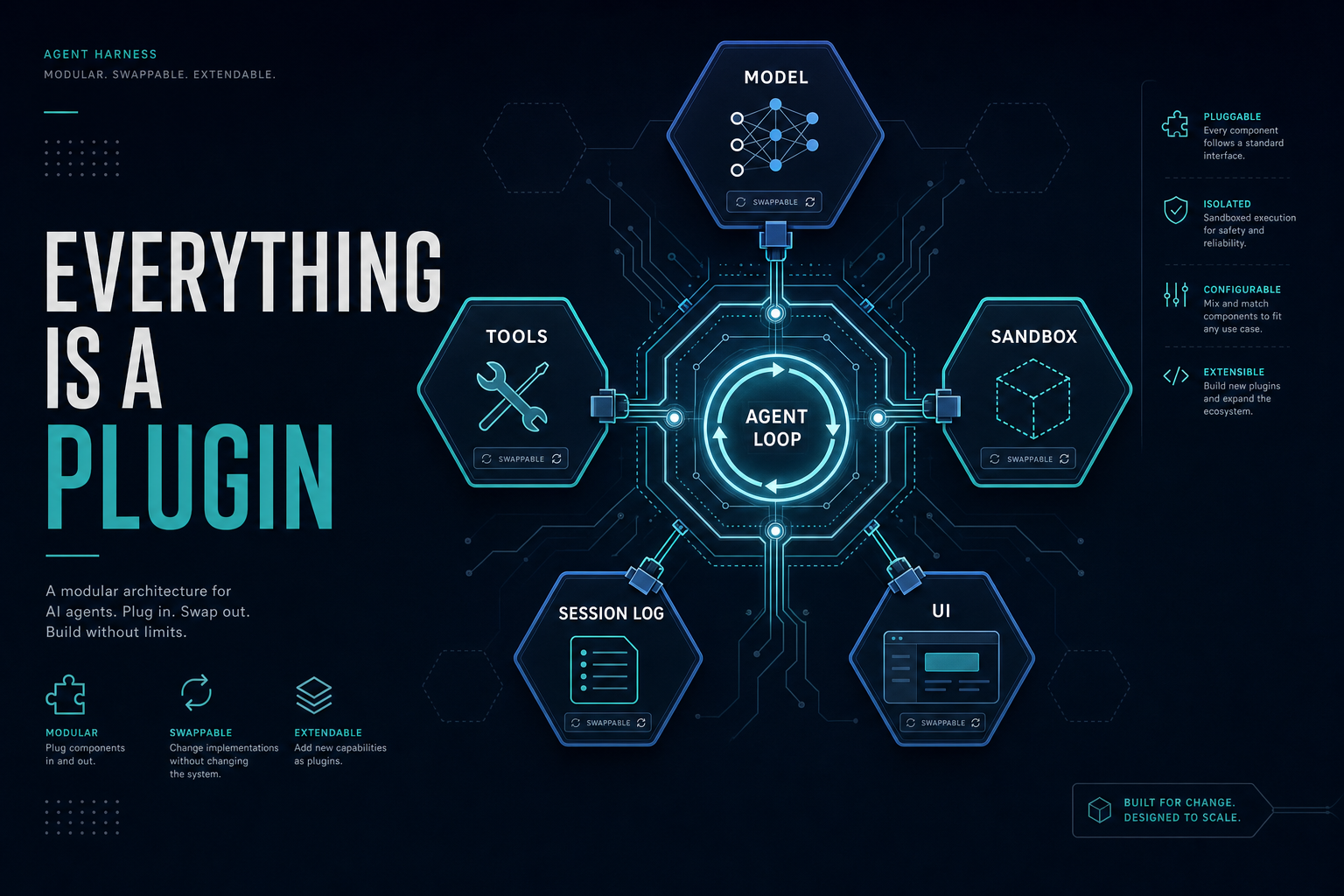
OpenClaw is still one of the most complete personal-agent control planes. But newer systems are getting better in narrower ways. Deep Agents sharpens the harness layer for long-running work. Hermes Agent pushes the persistent self-improving personal-agent thesis harder. OpenViking attacks the deeper context-architecture problem underneath agent memory.

Prompt engineering is getting demoted. Context engineering is the real job now.
Prompt engineering tunes a single interaction. Context engineering designs the information environment across interactions. If you鈥檙e building serious AI systems, that鈥檚 the difference that matters.
SEO is still alive. AEO is the new surface area (SEO for LLMs).
If you want to show up in LLM answers, you need to be easy to retrieve and easy to quote. This post lays out the new mechanics, the 80/20 tactics, and how to measure what鈥檚 working.
First Chat, Then Code, Now Claw
OpenClaw, nanobot, PicoClaw/Clawlet, Agent Zero, ZeroClaw, and memU aren鈥檛 one category. This post maps the layers and the real tradeoffs: execution, security posture, packaging, extensibility, and memory economics鈥攑lus a comparison matrix and recommendations.